Onboarding Leadership
The house always shows well. Fresh paint, staged furniture, a candle burning somewhere in the kitchen. You walk through with the realtor, imagining your life in it, and every room seems to agree with you.
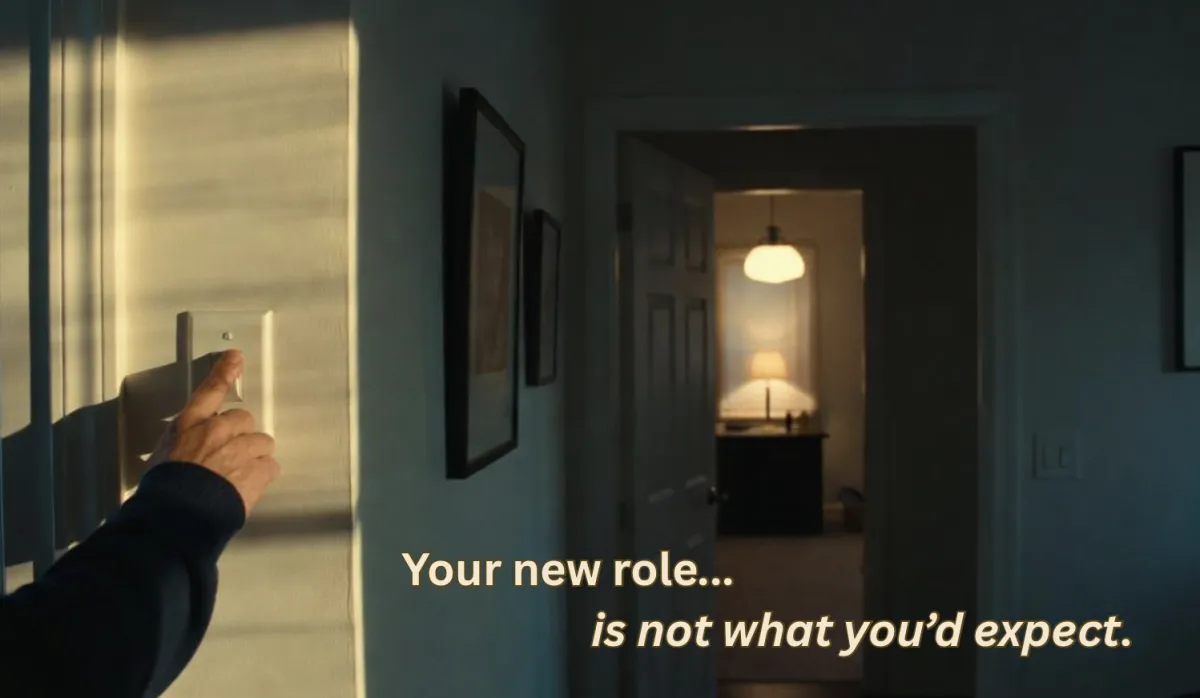
Then you move in, and it's a different house. You find the window that doesn't latch. The water stain in the hall closet nobody mentioned. The switch in the guest room that turns on a light two rooms away, for reasons no one's ever explained.
New leadership roles work the same way. The interview is the showing, polished and staged, everyone presenting what this role can be. The first 90 days happens after move-in.
Most people normalize this and call it “the learning curve."
What it actually is: discovering that the job you were shown and the job you were handed are two different houses, and nobody cleans up and stages the second one for you.
I sat with a new VP of Finance a few months into her first quarter. In the interview, she'd been told she'd be "streamlining a high-performing team." What she found, in her words, was "a team that had been performing well because two people were doing the work of five."
She spent the first months feeling like she was failing, because the job she took looked nothing like she expected. That feeling isn't a red flag that you took the wrong job. It's usually a sign you're finally standing in the actual house. The actual role that requires your leadership.
Most new leaders make one of two mistakes in their start. Some try to keep everyone comfortable, afraid to disturb a house they don't understand yet, and spend months tiptoeing around. Others do the opposite. They walk in and start knocking down walls in the first two weeks, certain they already know what the place needs, before they even know what’s behind the walls. Both mistakes come from the same place. Nobody told them the first 90 days is a job in itself. And when you start it’s going to feel different than anyone told you in the interview.
Michael Watkins, in his book The First 90 Days, lays out a pathway to what he calls the break-even point: the moment you finally contribute more than it cost to bring you up to speed. Getting there takes time, usually about six months which can feel like paying the mortgage on a house that doesn't feel like it's yours yet. Leaders who use those first 90 days to actually "learn the house" start owning their new role 40% faster.
How to Start as a Leader:
Walk every room first. Before changing anything, see the whole place, including the rooms nobody thought to show you. Ask the people who've been living there the longest what actually creaks, what actually leaks, and what's been quietly held together with tape for two years.
Find what's behind the walls. Every organization has a version of the two people doing the work of five. Find that way that people are working before you reorganize it. It's usually invisible until you go looking, and it explains half of what looks broken on the surface.
Don't renovate the kitchen in week one. The urge to make a fast, visible change is strongest right when you understand the least. Let the first ninety days be about seeing the house clearly. The changes will be more accurate, and they'll last longer, once you know what you're actually standing on.
Every house looks its best the day before you own it. The real house, the one with the stuck window and the mystery light switch, is the one you actually have to live in. It's not a bad house. It's just the unstaged one. Same with the role you just took on. It's the one that needs your leadership.
If you need help onboarding as a leader. That's the work we do at Warrick, helping leaders see the whole house before they start knocking down walls.
Ps. If you liked this article, you'll enjoy our newsletter.
Every month Warrick shares new ways to grow and lead others.
Join hundreds of subscribers here 👇🏼
https://www.linkedin.com/build-relation/newsletter-follow?entityUrn=7391240519579922433