Befriending The Fire
Befriending The Fire
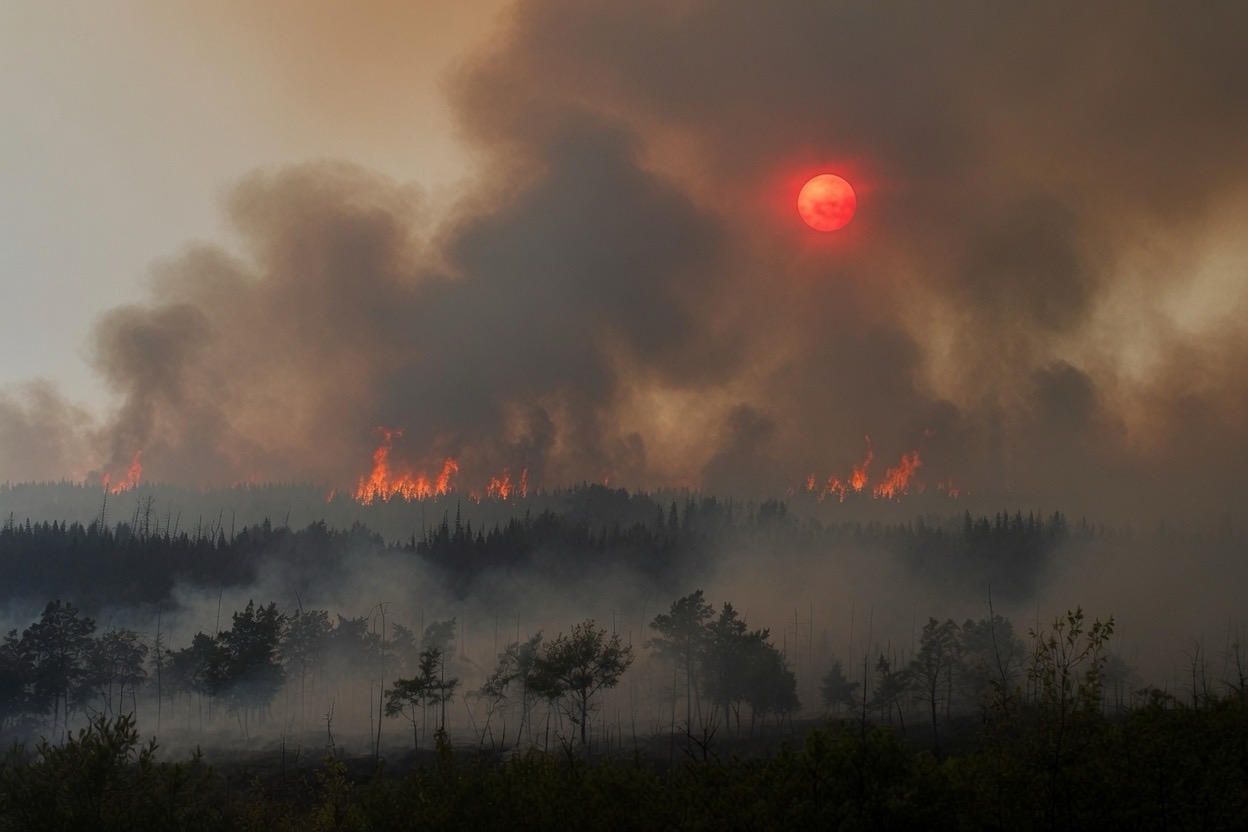
This week, the air outside turned the color of dusk at noon. Smoke drifted in from wildfires burning across the West, like a thick blanket of fog over our town. Everyone I know stayed inside with the windows shut, all of us asking the same question. When is it going to clear?
At 20 years old, I drove up to Alaska to fight wildfires. That was the word we used. Fight. In training, I pictured fire hoses and some sort of heroics, as if fire was something you could defeat. I was assigned to a wildfire that had already grown past 60,000 acres by the time our crew arrived. I learned quickly that nobody there was even trying to put the fire out.
Being that close to the fire, we got used to it.
Instead of fighting it directly, we dug fire lines. Using hand tools and chainsaws, we cleared a line down to bare dirt, cutting out the fuel so the fire had nowhere to spread. We wrapped the structures we needed to save, clearing brush around the homes and buildings that mattered most. We had to let some others go, knowing we could not save everything.
Week after week, we slept in the burned out areas, covered in soot. We worked right next to the fire, close enough to feel the heat change the air. None of what we were doing was about extinguishing anything. If I'm honest, some weeks it felt less like firefighting and more like getting paid to live in the woods next to something that seemed to change direction each day with the wind.
Work feels the same way. Fires show up. Some small, some big enough to threaten everything you feel responsible for. Your adrenaline kicks in. Every instinct says put the fire out so you and your team can breathe normal air again. That may be your instinct, but it's not really your job.
A fire crew works the fire 3 ways, and fighting it is not one of them.
Assess First. We did this every morning. We got in a helicopter and flew to the front line to see what was actually burning and which direction it was moving. We were trained not to assume what was needed. Most people skip this step and grab the nearest hose.
Draw Your Line. Decide what's yours to protect. You cannot save every priority, every relationship, every initiative at once. You have to stop pretending you can. That's how you end up spread thinner and thinner, fighting more and more fires instead of protecting the things that matter most. Digging a line means some things will burn, so the things that matter most can survive.
Stay Close. This is the one most leaders get backwards. Under pressure, most leaders back away and manage from a safe distance. Fire crews do the opposite. You stay near the heat, with your team. The heat is important, feeling it is what motivates you to dig deeper and push toward what matters most.
I think about this every time I'm developing a leader, whether it's a Superintendent, a Director, an HR lead, or a Founder. The most effective leaders aren't the ones who fight every fire. That's not a winning strategy, no matter how capable you are. Rather they’ve learned to assess the fire calmly. Protect what matters. Stay close enough to your people that nobody has to face the heat alone.
And the smoke outside my window will clear in a few weeks. It always does. So will the fires that you are facing.
If you're tired of fighting fires and ready to Befriend The Fires that are burning, that's the work we do at Warrick. Send up a flare.