
Warrick Case Study
Leadership Development · K12
3 Min read
How A Stable School District Built The Leadership They Never Defined.
"We had good people who had worked together for a long time. What we were missing was the shared leadership to bring them together."
case study · k12 · 3 mIN read
The District Was Working. The Leadership Needed To Be Developed.
How a stable district built the shared leadership they had never actually defined.
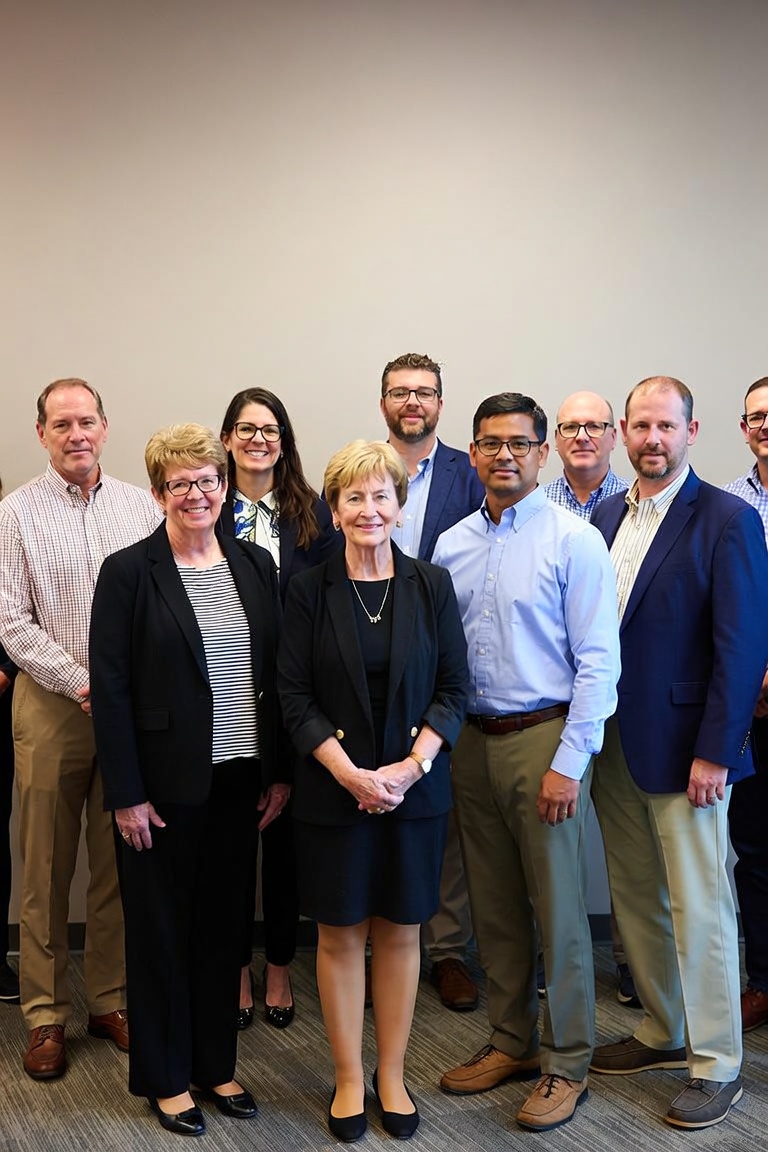
The Problem: Two Groups. One District. No Shared Leadership.
The Superintendent described it in his first interview with Warrick. Three years in the role. The district was functioning. Nothing was in crisis. But he named the real problem without meaning to.
"The Board and I want the same things for this district. I just do not think we have ever actually named what those things are."
The gap was not in what the Board and Superintendent intended. It was in the distance between those intentions and the way Board meetings actually went. That gap is what brought the district to Warrick.
Two Groups.
One District.
No Shared Leadership.
The Superintendent described it in his first interview with Warrick. Three years in the role. The district was functioning. Nothing was in crisis. But he named the real problem without meaning to.
"The Board and I want the same things for this district. I just do not think we have ever actually named what those things are."
The gap was not in what the Board and Superintendent intended. It was in the distance between those intentions and the way Board meetings actually went. That gap is what brought the district to Warrick.
The Gap Beneath The Surface
From the outside, the district looked stable. Experienced educators, a functioning Cabinet, a Board engaged with its community. Inside the leadership structure, several problems had been quietly accumulating.
The Board had no clear, measurable objectives for the district. Without them, the Superintendent had no firm basis for his work, and the Board had no firm basis for evaluating it.
The Board thought it was struggling with evaluation. It was actually struggling with definition.
Without agreement on what success looked like, every evaluation became a matter of opinion.
Outside pressure made it worse. Board members would surprise the Cabinet with new questions or new directions, each one feeling like the next thing to chase. Everyone carried their own priorities, and the Superintendent was left guessing which way the Board actually wanted to go.
Below them, the work drifted. Cabinet members protected their departments instead of partnering with the Board. The policy structure had grown unwieldy. Principals did their best work buried in the day to day, with little connection to Board direction. What the Board decided and what happened in classrooms ran on separate tracks.
None of this was failure. It was leadership and governance that had never been deliberately built.
The Gap: Beneath The Surface
From the outside, the district looked stable. Experienced educators, a functioning Cabinet, a Board engaged with its community. Inside the leadership structure, several problems had been quietly accumulating.
The Board had no clear, measurable objectives for the district. Without them, the Superintendent had no firm basis for his work, and the Board had no firm basis for evaluating it.
The Board thought it was struggling with evaluation. It was actually struggling with definition.
Without agreement on what success looked like, every evaluation became a matter of opinion.
Outside pressure made it worse. Board members would surprise the Cabinet with new questions or new directions, each one feeling like the next thing to chase. Everyone carried their own priorities, and the Superintendent was left guessing which way the Board actually wanted to go.
Below them, the work drifted. Cabinet members protected their departments instead of partnering with the Board. The policy structure had grown unwieldy. Principals did their best work buried in the day to day, with little connection to Board direction. What the Board decided and what happened in classrooms ran on separate tracks.
None of this was failure. It was leadership and governance that had never been deliberately built.
How Warrick Worked With The District
It started one leader at a time. Warrick began with one-on-one Leader Interviews across the full leadership structure. Every Board member, the Superintendent, each Cabinet member. These were not assessments. For many, it was the first time anyone had asked them, alone and directly, what they were actually seeing. What was working. What they had never said out loud in a room with everyone else.
Then came role clarity. Warrick worked with each leader on the line between governance and leadership. The Board sets the ends: what the district is working toward, given to the Superintendent with one voice. The Cabinet determines the means: how those ends get accomplished. Simple to say. Under pressure, it rarely holds. Boundaries blur, and direction gets given in places it was never anyone's role to give. Coaching helped each leader see how to influence the others in ways that built partnership, not friction.
The Retreat brought them into one room. For the first time, the Board and Cabinet sat down together in a structured working session. The goal was governance development, not team building. Together they built clear Board objectives, measurable and tied to student outcomes. They set focus areas for the Cabinet. They agreed on how the Superintendent would be evaluated. And they decided, in advance, how they would handle outside pressure. By the end they had a framework they had built, not one handed to them.
Then Warrick stayed. Alignment built in a single session will not survive a real school year. Warrick stayed alongside the Board and Cabinet through the decisions and tensions that followed, helping them use the framework instead of setting it aside when things got hard. That is where governance agreements either become real or stay aspirational.
Solution: How Warrick Worked With The District
It started one leader at a time. Warrick began with one-on-one Leader Interviews across the full leadership structure. Every Board member, the Superintendent, each Cabinet member. These were not assessments. For many, it was the first time anyone had asked them, alone and directly, what they were actually seeing. What was working. What they had never said out loud in a room with everyone else.
Then came role clarity. Warrick worked with each leader on the line between governance and leadership. The Board sets the ends: what the district is working toward, given to the Superintendent with one voice. The Cabinet determines the means: how those ends get accomplished. Simple to say. Under pressure, it rarely holds. Boundaries blur, and direction gets given in places it was never anyone's role to give. Coaching helped each leader see how to influence the others in ways that built partnership, not friction.
The Retreat brought them into one room. For the first time, the Board and Cabinet sat down together in a structured working session. The goal was governance development, not team building. Together they built clear Board objectives, measurable and tied to student outcomes. They set focus areas for the Cabinet. They agreed on how the Superintendent would be evaluated. And they decided, in advance, how they would handle outside pressure. By the end they had a framework they had built, not one handed to them.
Then Warrick stayed. Alignment built in a single session will not survive a real school year. Warrick stayed alongside the Board and Cabinet through the decisions and tensions that followed, helping them use the framework instead of setting it aside when things got hard. That is where governance agreements either become real or stay aspirational.
Outcome: What Changed
Six months in, the Superintendent described a Board meeting that would have gone differently before.
BEFORE WARRICK
Board priorities varied by member.
Evaluation based on perception.
Cabinet guessing at priorities.
Community pressure changed conversations.
School plans loosely connected.
Governance by habit.
AFTER WARRICK
One shared set of Board objectives.
Evaluation based on agreed metrics.
Cabinet working from clear direction.
Framework guided conversations.
School plans tied directly to Board objectives.
Governance by design.
These connections had existed in theory before. Now they were visible in practice.
Outcome: What Changed
Six months in, the Superintendent described a Board meeting that would have gone differently before.
BEFORE WARRICK
Board priorities varied by member.
Evaluation based on perception.
Cabinet guessing at priorities.
Community pressure changed conversations.
School plans loosely connected.
Governance by habit.
AFTER WARRICK
One shared set of Board objectives.
Evaluation based on agreed metrics.
Cabinet working from clear direction.
Framework guided conversations.
School plans tied directly to Board objectives.
Governance by design.
These connections had existed in theory before. Now they were visible in practice.
What Changed
Six months in, the Superintendent described a Board meeting that would have gone differently before.
A community group arrived with concerns about a new curriculum. They had organized, and they had contacted several Board members ahead of the meeting. In the past, that kind of pressure had been enough to shift Board direction mid-stream, leaving the Cabinet to adjust without knowing what had changed or why
.
This time the Board held course. Members forwarded the concern to the Superintendent and asked for information before the meeting. One Board member let the Cabinet know in advance what she planned to ask. The conversation moved differently because the Board had a framework to lean on instead of starting from scratch.
The rest followed from the same shift. The Superintendent's evaluation that year was the first that felt, in his words, "like a professional conversation," built on metrics they had set together rather than perception. Cabinet members stopped guessing what the Board wanted; the objectives gave them direction and the streamlined policy gave them fewer competing demands. The Principals went on to hold a retreat of their own, tying their school plans to the Board's objectives. That connection had existed in theory before. Now it was visible in practice.
For Superintendents and Board Members Reading This:
Most districts that come to Warrick are not in crisis. They are functioning, sometimes functioning well, with a leadership structure that was never deliberately built.
The cost shows up slowly. Evaluations that feel personal instead of professional. Cabinet work that drifts from Board priorities. Decisions that surprise the people responsible for carrying them out.
The Superintendent in this case put it simply: "I thought we needed better communication. What we actually needed was clarity about what we were trying to accomplish together."
Superintendents and Board Members Reading This:
Most districts that come to Warrick are not in crisis. They are functioning, sometimes functioning well, with a leadership structure that was never deliberately built.
The cost shows up slowly. Evaluations that feel personal instead of professional. Cabinet work that drifts from Board priorities. Decisions that surprise the people responsible for carrying them out.
The Superintendent in this case put it simply: "I thought we needed better communication. What we actually needed was clarity about what we were trying to accomplish together."

Stay Connected
Join our community through our
Warrick LinkedIn newsletter

Copyright 2026 Warrick All Rights Reserved