Assuming Leadership
Assuming Leadership
I’ve hesitated to write this for a while. I didn’t want any team I work with to think I was highlighting them. But this dynamic is so prevalent, it is not about one client or one team. It may be true of all of us.
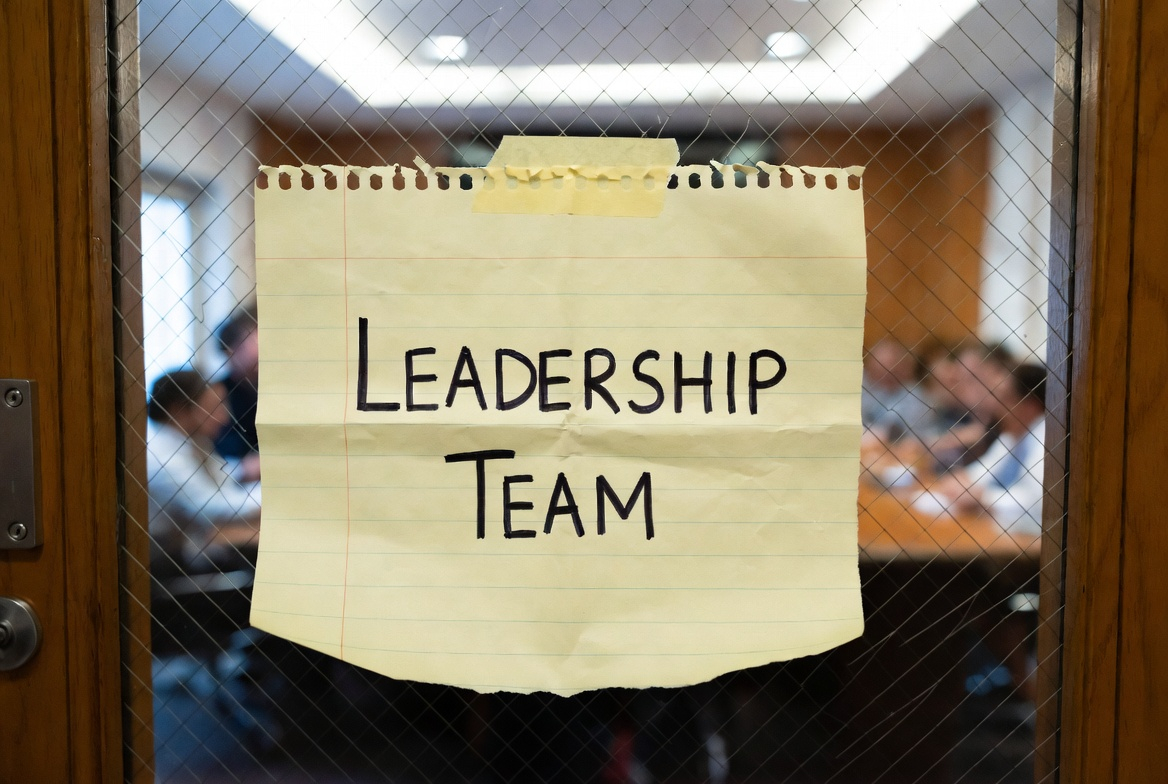
The picture has been in my mind for years… someone writes a piece of paper, “Leadership Team” and tapes it to the conference room door. Inside sit some of the most capable people in the organization. They earned their seats through results and long hours.
The assumption is simple: put strong contributors, even some strong leaders, in a room and leadership will happen. The sign goes up, and so do the assumptions about what will follow.
It rarely works.
Most leadership teams are formed from people who excel at getting work done within their own function. They understand how to deliver results and keep their area moving forward under pressure. What they have not always developed is the ability to lead together, in a coordinated way. They often lack experience sharing leadership of the most important organizational priorities with peers who are just as strong. Leadership is a different set of competencies. They do not appear because someone changes the name of the meeting.
Every organization carries lots of assumptions about what a leadership team is supposed to do. I see it all the time. One leader thinks their job is to represent their function. Another believes their job is to think for the whole organization. One sees debate as healthy. Another feels disrespected by any conflict. Organizational psychology calls this Implicit Leadership Theory. In simple terms, we each carry our own definition of what “good leadership” looks like. We rarely take the time to clarify those assumptions. During leadership offsites, I often hear someone lean over and say, “I don’t know how to work with this team.” Most of the time, it isn’t about effort. It’s about expectations that were never clarified or aligned.
Many leaders find that leading with peers is harder than leading their own department. Confidence in one arena does not automatically translate into comfort with shared accountability. When pressure increases, people return to their functional lane because it feels familiar and controllable.
Over time, the cracks begin to show. The highest priorities get pulled in different directions by functional demands, and critical decisions at the top level are delayed. Meetings feel productive in the moment, yet leaders leave without real clarity of direction or their roles. Each person defends their area well, but the team never fully steps into shared leadership or takes collective responsibility for the organization’s vision. The piece of paper on the door did not change how leadership happens.
Leadership teams do not become effective by working harder. Over the last two decades, I have worked with more than seventy leadership teams, from local companies to global organizations, and I have rarely seen a team succeed without deliberate development. Even highly skilled leaders struggle when they operate inside inherited assumptions. Teams become effective when development helps them step out of those patterns and lead in the ways the organization truly needs.
Development is what makes the difference. I have been in so many rooms where leadership teams wrestle with this, hit a breakdown, and then slowly begin to trust each other enough to work through it. I remember one team where the tension was so high that even simple decisions felt impossible. Talent alone was not enough. They needed to grow in their ability to run the playbook that only this team can execute. They must expand their thinking beyond their function and take ownership of outcomes that affect the entire organization. They can learn how to lead alongside one another with openness and peer accountability, even when it feels uncomfortable or unfamiliar. The change is fragile at first, but you can feel the team begin to hold itself differently.
A sign can label a room, but it cannot create a leadership team. What makes it is deliberate development in both how leaders guide their people and how they lead together to step fully into the responsibility the organization is counting on. It is never easy and it asks more of each leader than they expect.
At Warrick, this is the work we step into with leadership teams. We sit in the room when the conversation gets quiet. We surface the tension no one wants to name. We say out loud what everyone has been thinking but avoiding. It can feel awkward. It can feel new. That is where development begins.
We develop leaders in two directions: how they lead their function, and how they lead together at the top of the organization. Most people have practiced the first. Very few have developed the second.
This is the work required to truly have a seat at the leadership table. Not just to attend the meeting, but to take shared responsibility and actually lead the organization together.
Stop assuming leadership. Start developing it.